

All About Selenium
Selenium is a trace element essential for the body, as it offers, among other things, protection against oxidative stress, prevention of cardiovascular diseases, and support of the immune system.
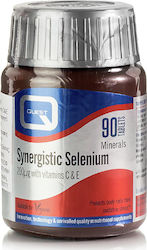
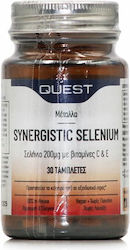
Top selenium supplements on Skroutz:




Advice & Tips for Safe Consumption of Selenium Supplements
- Consume selenium with a meal for better absorption, as interaction with other nutrients, such as vitamin E, can be beneficial.
- Do not exceed the recommended dose, as excessive selenium can lead to a condition known as selenium toxicity, with symptoms such as nausea or diarrhea, weakness, a metallic taste in the mouth, or hair loss. Indicatively, the recommended daily dose is 55 mcg for adults (19-70 years), 1300 mg for adolescents, and 60 mcg for pregnant women, 70 mcg for breastfeeding women, 20 mcg for children 1-3 years, and 55 mcg for the elderly.
- Choose the right form of selenium according to your needs. For example, if you need better absorption and fertility enhancement, prefer selenomethionine, while if you prefer immune system enhancement, then selenium carbonate is ideal.
- Finally, combine selenium with vitamin E for immune system enhancement and protection against cardiovascular diseases or with zinc for fighting infections, but avoid consuming it in combination with anticoagulants or thyroid medications, as its absorption is reduced.
Symptoms of Selenium Deficiency VS Benefits of Selenium Intake
In which foods do we find selenium?
- Nuts & seeds, such as Brazil nuts and sunflower seeds
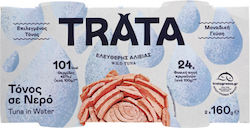
- Seafood & fish, such as salmon, tuna, and shrimp
- Meats & poultry, such as beef, rooster, and chicken
- Eggs & dairy products, such as milk
- Vegetables, such as broccoli, spinach, and mushrooms
- Cereals & bread, from whole wheat flour


Relevant Articles

All About Zinc

All About Calcium
All About Iron
Be the first to leave a comment!