

All About Turmeric
Turmeric is one of the most popular spices worldwide, known for its characteristic bright yellow color, which is due to the plant Curcuma longa. It is traditionally used in Indian (Ayurveda) and Chinese practices for stimulating the body and promoting well-being. Curcumin is its main bioactive ingredient, while it also contains volatile oils, vitamins (such as vitamin C), minerals (such as iron and manganese), and dietary fiber.
Top herbal supplements with turmeric on Skroutz:


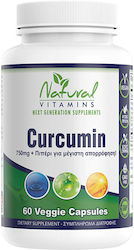


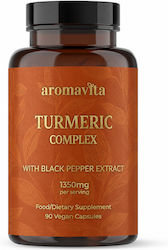
In addition to herbal supplements, we can also find turmeric in other forms, such as powder, adding it to soups, drinks, or smoothies, or making the viral golden milk, which is milk with 3 basic ingredients: turmeric, honey, and pepper.
Benefits & Nutrients
Joint Health: Helps maintain flexibility and the normal condition of the joints.
Digestive System: Supports the normal function of the digestive system and stimulates bile production to facilitate fat digestion.
Antioxidant Protection: Helps protect cells from oxidative stress.
Vitamin & Mineral Support: The presence of manganese and vitamin C contributes to the normal function of the immune system and the protective mechanism of cells.
Tips & tips for safe consumption
- The recommended daily intake is usually 500-1000 mg of curcumin extract or 1-3 grams of turmeric powder, always according to the instructions on the packaging or the advice of your doctor.
- Precautions: In large amounts, mild gastrointestinal discomfort may occur. Its use is contraindicated in people with gallstones or bile duct obstruction.
- Important: Consult your doctor if you are pregnant, breastfeeding, or taking anticoagulant medication. For better absorption of curcumin, it can be combined with piperine (black pepper extract) or with sources of healthy fats (such as Omega-3).
Dietary supplements should not be used as a substitute for a balanced diet. This product is not intended for the prevention, treatment, or cure of human disease. Consult your doctor if you are pregnant, breastfeeding, are taking medication, or have health problems.
Find everything about herbal supplements on Skroutz!
Relevant Articles
All About Cranberry
All About Berberine
All About Spirulina
Be the first to leave a comment!