

Οδηγός Αγοράς για Συμπληρώματα Ενζύμων
Ψάχνεις υποστήριξη για την ομαλή διαδικασία της πέψης και τη διαχείριση των γευμάτων σου; Σε αυτόν τον οδηγό αγοράς, θα μάθεις πώς να επιλέξεις το κατάλληλο συμπλήρωμα διατροφής με βάση το είδος, την περιεκτικότητα και τη μορφή του.
✨ Τι είναι τα Ένζυμα;
Τα ένζυμα είναι εξειδικευμένες πρωτεΐνες που παράγονται από τους ζωντανούς οργανισμούς και λειτουργούν ως βιολογικοί καταλύτες. Συντονίζουν και επιταχύνουν τις χημικές αντιδράσεις στον οργανισμό, συμπεριλαμβανομένης της διάσπασης των τροφών κατά τη διαδικασία της πέψης.

✨ Είδος - Τι ακριβώς χρειάζεσαι;
Α) Συμπληρώματα Συνενζύμου Q10
Q10 (Ουβικινόνη): Το συνένζυμο Q10 είναι ένα φυσικό συστατικό που βρίσκεται στα κύτταρα του οργανισμού. Αποτελεί δημοφιλή επιλογή για τη συμπλήρωση της καθημερινής διατροφής.
Q10 Ubiquinol (Ουμπικινόλη): Πρόκειται για την αναγμένη/ενεργή μορφή του CoQ10, η οποία προσφέρει υψηλή βιοδιαθεσιμότητα και άμεση αξιοποίηση από τον οργανισμό, ιδιαίτερα σε μεγαλύτερες ηλικίες.
Β) Πεπτικά Ένζυμα
Digestive Enzymes (Πεπτικά Ένζυμα): Μείγματα ευρέος φάσματος που περιέχουν συνήθως αμυλάση, πρωτεάση και λιπάση. Υποστηρίζουν τη φυσιολογική διάσπαση των μακροθρεπτικών συστατικών (υδατάνθρακες, πρωτεΐνες, λίπη) μετά από γεύματα.
Lactase (Λακτάση): Εξειδικευμένο ένζυμο. Το ένζυμο λακτάση βελτιώνει την πέψη της λακτόζης σε άτομα που έχουν δυσκολία στην πέψη της λακτόζης (πρέπει να λαμβάνεται με κάθε γεύμα που περιέχει λακτόζη).
Γ) Φυτικά & Πρωτεολυτικά Εκχυλίσματα (Bromelain, Serrapeptase, Nattokinase)
Bromelain (Βρομελίνη): Φυσικό πρωτεολυτικό ένζυμο που εκχυλίζεται από τον ανανά και χρησιμοποιείται παραδοσιακά σε συμπληρώματα διατροφής.
Serrapeptase (Σερραπεπτάση): Πρωτεολυτικό ένζυμο υψηλής ισχύος που λαμβάνεται σε εξειδικευμένες φόρμουλες διατροφής.
Nattokinase (Νατοκινάση): Ένζυμο που παράγεται από τη ζύμωση σόγιας (natto) και αποτελεί δημοφιλές φυτικό συστατικό συμπληρωμάτων διατροφής.
➡ Βρες το κατάλληλο Είδος Ενζύμου με βάση τις ανάγκες σου
-
 Q10
Q10
-
 Bromelain
-
 Digestive Enzymes
-
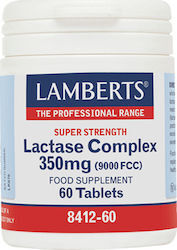 Lactase
-
 Serrapeptase
-
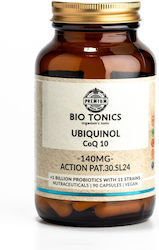 Q10 Ubiquinol
-
 Nattokinase


✨ Περιεκτικότητα σε mg
- Συνένζυμο Q10 & Ουμπικινόλη: Οι τυπικές ημερήσιες δόσεις CoQ10 κυμαίνονται από 50 mg έως 200 mg, ανάλογα με τις ατομικές ανάγκες πρόσληψης.
- Πεπτικά Ένζυμα: Τα συμπλέγματα ευρέος φάσματος περιέχουν συνήθως 300 mg έως 500 mg μείγματος ενζύμων ανά κάψουλα για τη συνοδευτική λήψη κατά τα γεύματα.
- Λακτάση (Lactase): Η δραστικότητα μετράται σε μονάδες ALU (Acid Lactase Units). Η επαρκής δόση καθορίζεται από την ποσότητα λακτόζης που καταναλώνεται (ενδεικτικά 4.500–9.000 ALU ανά γεύμα).
- Πρωτεολυτικά Ένζυμα (Bromelain, Serrapeptase, Nattokinase): Η δοσολογία καθορίζεται από τις μονάδες δραστικότητας (GDU, SPU, FU αντίστοιχα) και τις οδηγίες του παρασκευαστή.
➡ Τι Ένζυμο να επιλέξεις;
✨ Μορφή
- Κάψουλες (και Γαστροανθεκτικές): Προστατεύουν τα ένζυμα από τα οξέα του στομάχου για στοχευμένη απελευθέρωση στο έντερο.
- Πόσιμη Μορφή / Σκόνη: Ιδανική επιλογή για άτομα με δυσκολία στην κατάποση ή για προσαρμογή της δοσολογίας.
- Μασώμενα Δισκία: Συνηθισμένη μορφή για τη λακτάση, η οποία λαμβάνεται με την πρώτη μπουκιά γεύματος που περιέχει γαλακτοκομικά.
- Ταμπλέτες / Δισκία: Κλασική μορφή που λαμβάνεται με νερό πριν από το γεύμα.
«Τα συμπληρώματα διατροφής δεν υποκαθιστούν την ισορροπημένη διατροφή. Μην υπερβαίνετε τη συνιστώμενη ημερήσια δόση. Να φυλάσσεται μακριά από τα μικρά παιδιά. Συμβουλευτείτε τον γιατρό σας αν είστε έγκυος, θηλάζετε, βρίσκεστε υπό φαρμακευτική αγωγή ή αντιμετωπίζετε προβλήματα υγείας.»
«Τα προϊόντα ενδέχεται να φέρουν Αριθμό Γνωστοποίησης ΕΟΦ. Ο Αριθμός Γνωστοποίησης δεν επέχει θέση άδειας κυκλοφορίας από τον ΕΟΦ. Ελέγχετε πάντα τη συσκευασία του εκάστοτε προϊόντος.»
Σχετικά Άρθρα
💪 Τι είναι οι Ηλεκτρολύτες & Πώς βοηθούν τον οργανισμό
Οδηγός Αγοράς: Τι είναι οι Λιποδιαλύτες και τι να προσέξεις πριν αγοράσεις
Τι είναι τα προβιοτικά και που βοηθούν στον οργανισμό;
Άφησε πρώτος το σχόλιό σου!