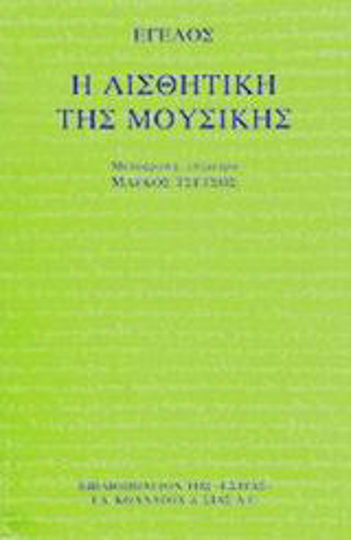
Für Hegel ist es charakteristisch für die Musik, dass sie das Gefühl als solches in Form bringt, dass sie es schafft, unser Inneres äußerlich zu reflektieren: Nur die Poesie drückt es vollständiger aus, jedoch auf Kosten der Selbstständigkeit der künstlerischen Form.
Hegel (1770-1831) war, nach Kant, der zweite große Theoretiker des damals neuen philosophischen Zweigs der „Ästhetik“. Im Gegensatz zu Kant versucht er nicht so sehr, die subjektiven Bedingungen zu definieren, unter denen wir sagen, dass etwas „ schön“ ist, sondern erforscht vor allem die objektiven Bedingungen dieses subjektiven Gefühls mit dem Anspruch auf Universalität.
Aus diesem Grund sind seine Überlieferungen für jede einzelne Kunst wertvoll, wie die über die Musik, die hier der Musikwissenschaftler Markos Tsetsos präsentiert. In diesem aus vielen Perspektiven grundlegenden Text treten Konzepte und Unterscheidungen erstmals auf, die sich seitdem in der Ästhetik der Musik etabliert haben, aber auch andere, die es wert wären, in Zukunft entwickelt zu werden, wie Tsetsos in seinem ausführlichen Kommentar betont.
[Auszug aus dem Text auf dem Rückcover der Ausgabe]


 10 Coins
Um Skroutz Coins zu verdienen, treten Sie Skroutz Plus bei und akzeptieren Sie die Bedingungen des Belohnungsprogramms.
10 Coins
Um Skroutz Coins zu verdienen, treten Sie Skroutz Plus bei und akzeptieren Sie die Bedingungen des Belohnungsprogramms.