

Alles über Eisen
Eisen ist ein essentielles Metall, das an grundlegenden Funktionen des Körpers beteiligt ist. Laut der Europäischen Behörde für Lebensmittelsicherheit (EFSA) trägt es zum normalen Bilden roter Blutkörperchen und des Hämoglobins bei, zur normalen Sauerstofftransport im Körper, zur Verringerung von Müdigkeit und Erschöpfung sowie zur normalen Funktion des Immunsystems. Darüber hinaus unterstützt es die normale kognitive Funktion und den Stoffwechsel, der auf die Energieproduktion abzielt.
Eisen kommt in 2 grundlegenden Formen vor:
Häm-Eisen: Es kommt hauptsächlich in tierischen Lebensmitteln vor und zeichnet sich durch seine hohe Absorptionsrate im Körper aus (etwa 15-35%).
Nicht-Häm-Eisen: Es kommt hauptsächlich in pflanzlichen Quellen vor und weist eine niedrigere Absorptionsrate auf (etwa 2-20%).
Top Eisenpräparate auf Skroutz:


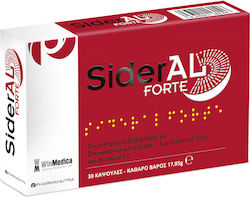


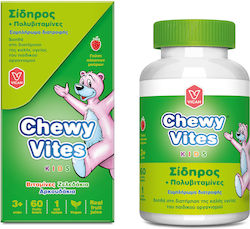


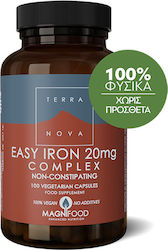
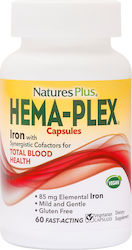
Tipps & Ratschläge für eine sichere Einnahme von Eisenpräparaten
- Nehmen Sie Eisen morgens früh auf nüchternen Magen oder in Kombination mit Vitamin C ein, um die maximale Aufnahme zu gewährleisten.
- Überschreiten Sie nicht die empfohlene Tagesdosis. Die empfohlene Tageszufuhr (NRV) beträgt 14 mg für Erwachsene, während die Bedürfnisse bei Frauen im reproduktiven Alter (18 mg) und während der Schwangerschaft (27 mg) deutlich variieren, nach ärztlicher Beratung.
- Wählen Sie die Eisenform entsprechend Ihren Bedürfnissen. Zum Beispiel ist Glycin- oder Chelat-Eisen besonders schonend für das Verdauungssystem, während Fumarat-Eisen einen hohen Gehalt an elementarem Eisen pro Dosis bietet.
- Kombinieren Sie nicht-hämisches Eisen mit Vitamin C für eine schnellere Aufnahme, vermeiden Sie jedoch die gleichzeitige Einnahme mit hohen Dosen Calcium, Kaffee oder Tee, da diese die Aufnahme verringern.
Symptome eines Eisenmangels VS Vorteile der Eisenaufnahme
In welchen Lebensmitteln finden wir Eisen?
Hämeisen
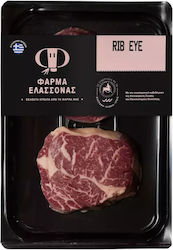
- Rotes Fleisch, wie Rind oder Lamm
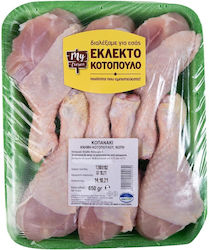
- Geflügel, wie Huhn
- Fisch & Meeresfrüchte
Nicht-Hämeisen
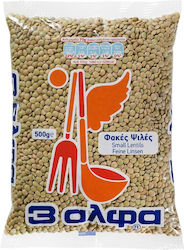
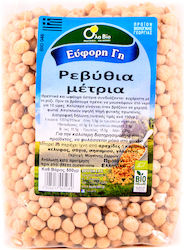
- Hülsenfrüchte, wie Linsen, Kichererbsen und Bohnen
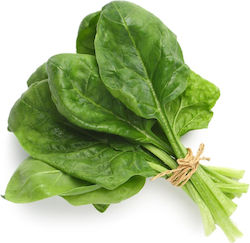
- Grünes Blattgemüse, wie Spinat
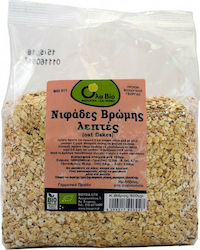
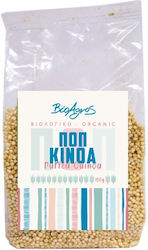
- Angereicherte Getreide, wie Hafer und Quinoa
- Nüsse & Samen, wie Cashewkerne, Mandeln, Erdnüsse und Sesamsamen




„Nahrungsergänzungsmittel ersetzen keine ausgewogene Ernährung. Überschreiten Sie nicht die empfohlene Tagesdosis. Außerhalb der Reichweite von kleinen Kindern aufbewahren. Konsultieren Sie Ihren Arzt, wenn Sie schwanger sind, stillen, Medikamente einnehmen oder gesundheitliche Probleme haben.“
„Die Produkte können eine EOP-Registrierungsnummer tragen. Die Registrierungsnummer stellt keine Zulassung durch die EOP dar. Überprüfen Sie stets die Verpackung des jeweiligen Produkts.“
Relevante Artikel
Alles über Selen
Alles über Zinksulfid

Alles über Calcium
Sei der Erste, der einen Kommentar hinterlässt!