

Constipation: 5 natural ways to deal with it
Constipation is one of the most common gastrointestinal disorders today. It is common in children, adolescents, and adults, and in the majority of cases, it is due to natural causes.
Although it is a common problem, if not properly addressed, it can significantly affect a person's quality of life.
What is constipation & what symptoms does it cause?
Constipation is classified into two categories: chronic and acute, and is defined by the following key factors:
- Difficulty in bowel movements, occurring 1 in 4 times
- Frequency of bowel movements less than 2 times a week
- Hard stools causing pain
- Sensation of incomplete evacuation
- Abdominal pain or cramps
- Bloating, nausea, blood after bowel movements, fever, weight loss (rare), and a feeling of fatigue
What causes it?
The most common reason is lifestyle and diet. Foods rich in fats and proteins, such as red meat, reduce intestinal contractions. Lack of dietary fiber, dehydration, lack of exercise, or even delaying bowel movements, worsen bowel function. Stress and travel can also cause temporary constipation. Additionally, conditions such as pregnancy, irritable bowel syndrome, certain medications (e.g., antidepressants, iron), or diseases can exacerbate the problem.
How is it treated?
1. With fiber & probiotics
- Psyllium Husk
Psyllium is a dietary soluble fiber that helps increase stool bulk. It comes from the Plantago plant and helps with both diarrhea and constipation. When it comes into contact with water, it forms a gelatinous mass that facilitates the passage of stool through the gastrointestinal tract.
Glucomannan
Glucomannan is a soluble plant fiber derived from the Konjac plant. As a fiber, it absorbs large amounts of water into its molecule, increases intestinal peristalsis and stool bulk, thus helping to treat constipation.
- Probiotics
Probiotics are "friendly" bacteria for the gut, which can help relieve constipation. The combination of probiotics with Lactobacillus, Bifidobacteria and Sacchromyces boulardi strains, in combination with prebiotics ("food" for probiotics) such as inulin, galacto- and fructo-oligosaccharides helps in the treatment of mild and severe constipation.
Also enrich your diet with fiber: Vegetables such as lettuce, spinach and broccoli, as well as greens, are ideal for this case, while fruits such as kiwi, strawberry and figs, or fruits eaten with the peel (apple, peach) are the best choice for constipation. Also dried fruits, such as raisins, figs and prunes, help relieve constipation, while natural fruit juices are also beneficial.
Fact: A daily intake of 25 grams of fiber is considered sufficient for adults. However, this amount may vary depending on various factors, such as gender, age, etc.
-
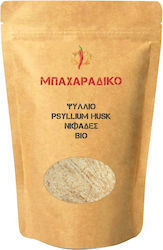 Psyllium
-
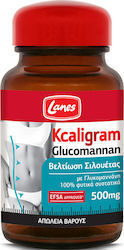 Glucomannan
-
 Probiotics

2. Herbs
- Senna
It is one of the most widely used herbs for treating constipation. It causes contractions of the intestinal wall, resulting in facilitating bowel movements. Its use is recommended for a short period of time.
- Cascara sagrada
An herb that increases the frequency of bowel movements and simultaneously improves intestinal motility. Overdose can cause diarrhea.
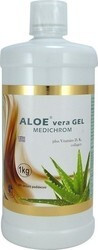
- Aloe Vera
Aloe vera is a substance that has strong laxative properties. It belongs to the same family of plants as Cascara and Senna, and helps in the contraction and evacuation of the intestine. Overconsumption can cause intestinal pain.
-
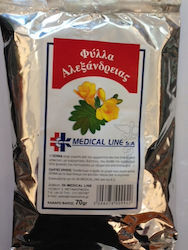 Senna
Senna
-
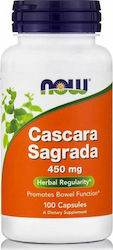 Cascara sagrada
-
 Aloe Vera
3. Magnesium
Magnesium can relieve constipation symptoms, as it contributes to the elasticity of the intestinal muscles and higher moisture content of the stool.


Extra tips for dealing with constipation
What to avoid?
- Processed foods
Fast food and sugar-rich foods worsen constipation. This happens because such foods, apart from fats, contain specific carbohydrates, but the intestine lacks the necessary enzymes to "break them down." This fact, combined with their fats, increases the likelihood of constipation or worsens it.
- Caffeine and alcohol
We now know how important hydration is in dealing with constipation. However, caffeine and alcohol dehydrate the body and prolong the problem known as constipation.
What changes should you adopt?
- Change your posture in the bathroom
The knees should be close to the body's torso to achieve the "sitting" posture.
- Use olive oil
For better intestinal function, it is good to include olive oil in your diet, as it acts as a lubricant for the intestine.
- Incorporate exercise into your routine
Walking and exercise in general promote good intestinal function and bring beneficial results to the body.
- Stay hydrated
Water is valuable in the prevention and treatment of constipation.
Find a nice thermos to drink more water:

When should you consult a doctor?
Call your healthcare provider if:
Constipation is a new problem for you.
You noticed blood in your stool.
You have severe pain with bowel movements.
Your constipation has lasted more than three weeks.
Don't forget: Consult your pharmacist to obtain special formulations that will relieve you!



Be the first to leave a comment!